Every parent knows the feeling. The house is loud, energy is high, and you just need 20 minutes of calm. Maybe you are trying to work from home, take a phone call, or simply decompress after a long day. The challenge is finding something that holds your child’s attention without handing them a screen.
The good news? There are plenty of quiet activities that kids genuinely enjoy, not because they are told to, but because the activities are engaging, creative, and give them a sense of independence. These are not complicated Pinterest projects that require an hour of setup. These are realistic, parent-tested activities that work.
Disclaimer: Every child is different. What keeps one kid engaged for 30 minutes might last 5 minutes with another. The key is to try different options, observe what clicks, and rotate activities to keep things fresh.
Why Quiet Activities Matter
Before jumping into the list, it is worth understanding why quiet time is so valuable for kids.
Quiet activities help children develop focus and attention span. When kids engage in calm, concentrated tasks, they are building the same mental muscles they will need in school, sports, and social situations. It teaches them that not every moment needs to be filled with noise and stimulation.
Quiet time also supports emotional regulation. Kids who learn to enjoy calm activities are better equipped to manage their energy and emotions throughout the day. It gives their nervous system a chance to reset, which can reduce meltdowns, especially during those late afternoon hours when everyone is running on fumes.
For parents, building quiet time into the daily routine creates breathing room. It is not about ignoring your kids. It is about teaching them that independent play is healthy, normal, and actually enjoyable.
1. Coloring and Activity Books
This one is at the top of the list for a reason. Coloring is one of the most reliable quiet activities for kids of almost any age. It requires minimal setup, minimal cleanup, and kids can do it independently.
The key is having the right materials available. A few crayons and a printed worksheet might work in a pinch, but kids tend to stay engaged longer with dedicated coloring books that have interesting themes and age-appropriate designs.
We have found that high-quality coloring books with fun, themed pages keep our kids engaged significantly longer than random printouts. Options like these Coloring Adventure Coloring Books by Remington Grey have been a great addition to our quiet time routine. The pages are designed to be engaging without being overwhelming, which makes a big difference.
Tips for making coloring time work:
- Set up a dedicated spot with supplies already organized. A small bin with colored pencils, crayons, and a few coloring books makes it easy for kids to grab and go.
- Let kids choose what they want to color. Giving them control over the activity increases buy-in.
- Pair coloring with calm background music for an even more relaxing experience.
2. Building With Magnetic Tiles or Blocks
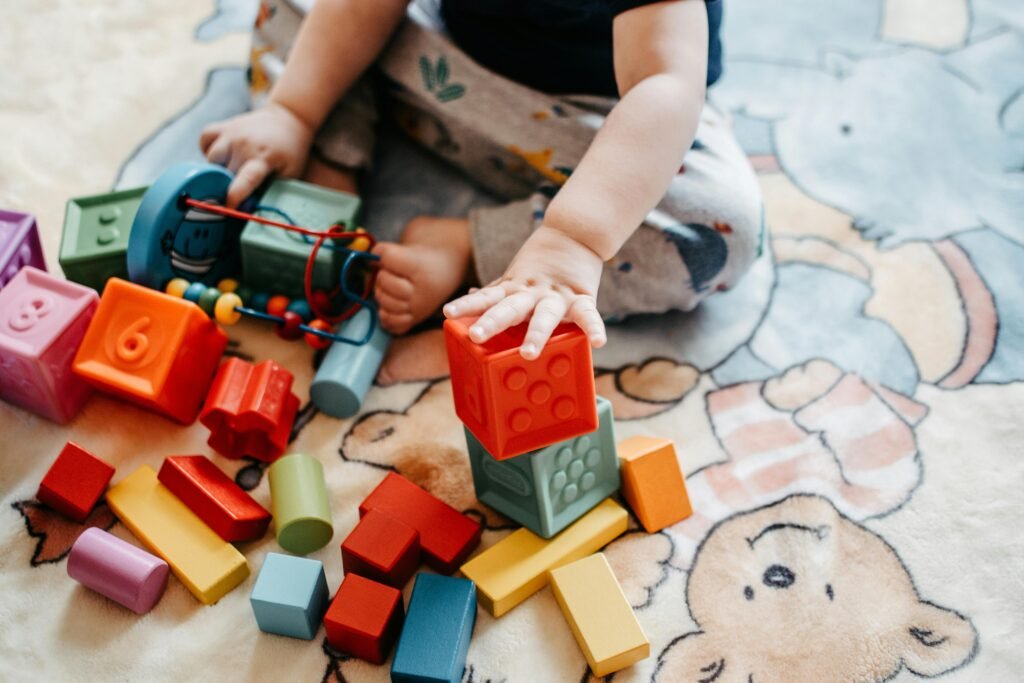
Construction toys are perfect for quiet play because they naturally hold attention. Kids get absorbed in building, problem-solving, and creating without needing much direction from you.
Magnetic tiles are especially effective because they are satisfying to connect, easy to use for younger kids, and versatile enough to keep older kids interested. A child who starts by stacking tiles at age 3 might be building elaborate castles by age 6.
The quiet factor here is real. Unlike toys that beep, sing, or crash, magnetic tiles and wooden blocks produce minimal noise. Kids can sit at a table or on the floor and build for extended stretches, especially if you occasionally introduce a challenge like “Can you build something taller than this cup?”
Tips for maximizing engagement:
- Rotate building toys so they feel fresh. Put a set away for a few weeks, then bring it back out.
- Add small figurines or toy cars to the mix so kids can build environments, not just structures.
- Avoid hovering. Let them build freely without correcting their designs.
3. Puzzles
Puzzles are one of the most underrated quiet activities for kids. They build patience, spatial awareness, and critical thinking, all while keeping kids calm and focused.
The key is matching the puzzle difficulty to your child’s age and skill level. A puzzle that is too easy gets abandoned in minutes. A puzzle that is too hard leads to frustration. The sweet spot is a puzzle that challenges them just enough to keep them working at it.
For toddlers (ages 2 to 3), chunky wooden puzzles with 6 to 12 pieces work well. For kids ages 4 to 6, floor puzzles with 24 to 48 pieces are great. Older kids can handle 100-piece puzzles and beyond.
Tips for making puzzles a go-to activity:
- Keep a few puzzles accessible at all times so kids can grab one without asking.
- Work on a puzzle together to get them started, then step away and let them finish independently.
- Frame or photograph completed puzzles to give kids a sense of accomplishment before breaking them apart.
4. Sensory Bins
Sensory bins sound more complicated than they are. At their simplest, a sensory bin is a container filled with a base material (like rice, dried beans, or kinetic sand) and a few small items for kids to find, scoop, pour, and explore.
Kids love sensory bins because they engage multiple senses at once. The tactile experience is calming and absorbing, similar to how adults find it relaxing to work with their hands. For younger children especially, sensory bins can provide 20 to 30 minutes of focused quiet play.
Setup does not have to be elaborate. A plastic storage bin with a bag of rice and a few measuring cups is enough to start. You can add small toys, letters, or themed objects to make it more interesting over time.
Tips for keeping it manageable:
- Use a bin with high sides and place it on a towel or tray to contain spills.
- Supervise younger children who might put small items in their mouths.
- Swap out the base material every few weeks. Rice one week, dried pasta the next, kinetic sand after that.

5. Sticker Books and Activity Pads
Sticker books are a quiet activity goldmine. Kids love peeling stickers and placing them on scenes or designated spots. It develops fine motor skills, keeps hands busy, and requires almost no supervision.
Reusable sticker books are especially great because kids can peel, place, and rearrange the stickers repeatedly. This extends the life of the activity significantly. Activity pads that include mazes, dot-to-dots, and simple puzzles alongside stickers offer even more variety.
Tips for success:
- Keep a stash of new sticker books for moments when you really need quiet time. A fresh book is always more exciting.
- Travel-sized sticker pads are perfect for restaurants, waiting rooms, and car rides.
- Let kids create their own scenes and stories with the stickers rather than following instructions exactly.
6. Play-Doh and Modeling Clay
There is something about squishing, rolling, and shaping that naturally calms kids down. Play-Doh and modeling clay keep little hands occupied and give kids an open-ended creative outlet.
The mess factor is manageable if you set expectations upfront. A placemat or designated play surface keeps things contained. Providing a few simple tools like cookie cutters, a rolling pin, or plastic utensils adds variety without adding chaos.
For kids who are past the “everything goes in my mouth” stage, Play-Doh is one of the easiest quiet activities to set up. Pull out the containers, set them on the table, and let creativity take over.
Tips for making it work:
- Store Play-Doh properly to keep it from drying out. Sealed containers and zip-lock bags extend the life significantly.
- Introduce challenges to keep older kids engaged. “Can you make a pizza with five toppings?” or “Build the tallest tower you can.”
- Modeling clay (as opposed to Play-Doh) does not dry out and has a different texture that some kids prefer.
7. Audiobooks and Story Podcasts
This one might surprise you, but audiobooks and kid-friendly podcasts are excellent quiet activities. They are not screens, and they encourage imagination, listening skills, and vocabulary development.
Kids can listen while coloring, building, or simply lying on the couch. Pairing an audiobook with another quiet activity creates a layered experience that can keep kids engaged for a surprisingly long time.
There are many free options available through your local library’s digital lending app, and kid-specific podcast series have exploded in popularity over the past few years.
Tips for getting started:
- Start with short stories or podcast episodes (10 to 15 minutes) and build from there.
- Let kids pick what they want to listen to. Interest drives engagement.
- Create a cozy listening spot with pillows or a blanket to make it feel special.
8. Drawing and Journaling
Give a child a blank notebook and some colored pencils, and you might be surprised how long they stay occupied. Drawing and journaling give kids a private creative outlet where there are no rules and no wrong answers.
For younger kids, this might just be scribbling and doodling, which is perfectly fine. For older kids, you can encourage them to draw what they did that day, create comic strips, or write short stories. The act of putting something on paper, whether it is a drawing or words, builds creativity and self-expression.
Tips for encouraging this habit:
- Give each child their own dedicated notebook. Ownership makes it feel special.
- Avoid judging or critiquing their drawings. The goal is expression, not perfection.
- Draw alongside them occasionally. Kids love seeing their parents create, and it models the behavior.
How to Build Quiet Time Into Your Routine
The activities above work best when quiet time is a predictable part of the day rather than something you scramble to create in a moment of desperation. Here are a few tips for building it into your routine.
Set a consistent time. After lunch, after school, or before dinner are all natural transition points where quiet time fits well. Kids adapt quickly to routines, and after a few days, they will start to expect and even look forward to it.
Start small. If your kids are not used to quiet independent play, start with 10 minutes and build up gradually. Forcing 45 minutes on a child who has never done quiet time will lead to frustration for everyone.
Offer choices. Instead of dictating the activity, let kids choose from two or three options. “Would you like to color, build, or work on a puzzle?” Giving them a choice increases their willingness to participate.
Be consistent but flexible. Some days quiet time will last 30 minutes. Other days it might be 10. That is fine. The goal is building the habit, not hitting a specific number every single day.
Final Thoughts
Quiet activities are not just about giving parents a break (although that is a very real benefit). They are about teaching kids that calm, focused, independent play is valuable. It builds skills they will use for the rest of their lives, from concentration and creativity to emotional regulation and self-reliance.
You do not need expensive toys or elaborate setups. A coloring book, a bin of blocks, a puzzle, or a notebook and some pencils can provide everything your child needs for meaningful quiet time.
Start with one activity from this list, try it this week, and see how it goes. You might be surprised at how quickly your kids take to it, and how much you appreciate those few minutes of calm.
The best activities are the ones your kids will actually do. Keep it simple, keep it fun, and keep it consistent.